
Social studies is a two-year experience for students in grades 6 and 7. In it, students employ geographic, economic, civic, and historical tools to understand how big geographic questions link the past to the present. Finally, students in grade 8 build on the skills they developed in earlier social studies courses as they deepen their understanding of American history and civics.
Students in grades 6 and 7 continue to demonstrate their academic progression with their understanding of civics, geography, economics, and history. This two-year sequence ensures that students understand the global context for the ancient and United States history events they will study in middle school as well as establish a foundation for launching their high school experience in modern world history.
Rather than using a chronological approach, the grades 6 and 7 social studies framework is organized around a series of big questions related to enduring geographic understandings that link student investigation of the past and present.
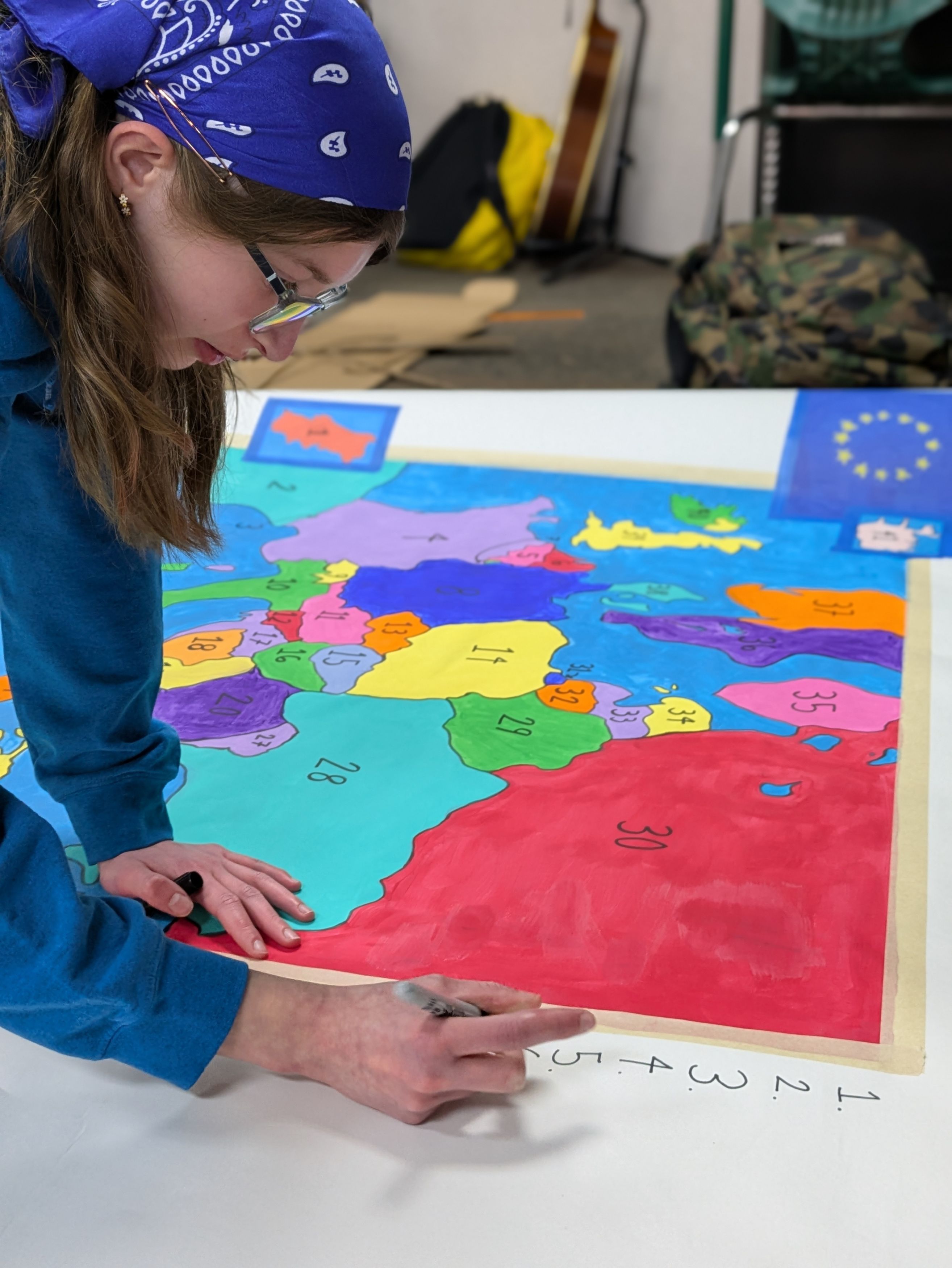
Through engaging investigations, research, and field trips, students explore essential questions such as, “What should be the rights and responsibilities of the rulers and the ruled?” “How should belief systems influence our lives?” “How should people bring about political and social change?” "Are industrialization and urbanization good for everyone?” “How have different technologies helped humans survive, adapt, and thrive throughout history?" "How can exploring the cultures of civilizations help us understand their values and beliefs?"
The eighth-grade curriculum focuses on key questions that help students explore the principles and challenges of American democracy, diversity, and foreign policy by providing them with a comprehensive timeline from pre-Columbus to the present day.
Rather than relying solely on a chronological approach, the curriculum uses an experiential and inquiry-based framework to examine essential questions such as, “What is American democracy, and what should it be?” “What does equality mean in a diverse and often discriminatory society?” and “Under what circumstances should the United States intervene in world events?”
Through hands-on activities, research projects, and interactive experiences, students analyze the development of American institutions, policies, and social movements, preparing them to engage thoughtfully with the complexities of the nation’s past and present.